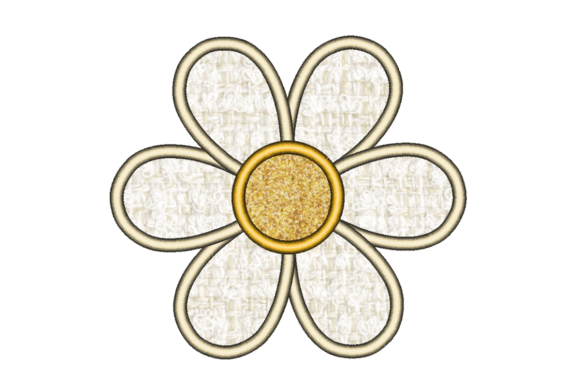
Daisy Applique Embroidery Design Review
As a designer who spends more time staring at stitch maps than most people spend on their phones, I approach every new machine embroidery design with a mix of optimism and skepticism. We have all downloaded a file that looked adorable on the screen but turned into a bird's nest of thread breaks and puckering on the hoop. Today, I am taking a close look at the Daisy Applique Embroidery Design. This isn't just a quick glance at a thumbnail; this is an evaluation of how this specific applique design holds up when you are trying to create a sellable handmade product or a meaningful personalized gift.
The first thing that strikes me about this design is its mood. It feels undeniably fresh, capturing that specific energy associated with Spring without feeling cliché. The layout suggests a playful yet structured approach, ideal for adding a fanciful accent to various projects. When I visualize this stitched out, I don't just see a flower; I see a versatile asset for a craft business. Whether you are an Etsy seller looking to expand your lineup or a hobbyist making gifts for family, the visual personality here is welcoming. It avoids the overly complex detailing that often leads to frustration, opting instead for clean lines that suggest high-quality execution.
Real-World Application: The Tote Bag Test
To truly understand the value of an embroidery file, you have to imagine it in a real-life scenario. Let's say I am preparing a custom order for a local boutique that needs a run of canvas tote bags for their upcoming market day. They want something cheerful but professional. This is where the Daisy Applique Embroidery Design shines. Applique work, by definition, involves layering fabric, which adds texture and dimension that flat stitching simply cannot match.
If I were to place this design on a natural cotton tote, the contrast between the base fabric and the applique piece would create immediate visual interest. For a tote bag design, durability is key. Customers wash these bags, toss them in cars, and fill them with heavy groceries. An applique style, if done with secure satin edges, tends to hold up better over time than dense fill stitches that can crack or wear down. The playful nature of the daisy fits perfectly with the casual utility of a tote, making it a strong candidate for a small shop product that moves quickly at craft fairs.
Beyond bags, consider sweatshirt embroidery. A oversized crewneck with this daisy placed slightly off-center on the chest or larger on the back creates a trendy, boutique-style look. The design's simplicity allows it to scale well. However, when moving to stretchy fabrics like sweatshirt fleece, the stability of the design becomes critical. You aren't just stitching on top; you are integrating layers. This requires careful attention to your stabilizer choice to prevent the garment from warping around the heavy applique sections.
Technical Considerations and Fabric Compatibility
While the aesthetic appeal is high, a professional reviewer must address the technical hurdles. Not every surface is friendly to every design. With the Daisy Applique Embroidery Design, you need to be mindful of where you place it. For instance, curved surfaces like caps can be tricky. If the design has wide spans of fabric or long satin columns, hooping a cap correctly is essential to avoid gaps or distortion. Similarly, very thin fabrics might struggle to support the weight of the applique layers unless backed heavily.
Stitch density is another factor. Although the description highlights a "cool" and "playful" vibe, we must ensure the stitch density isn't too high for delicate materials like baby onesies. Baby embroidery requires softness against the skin. If the backing or the satin borders are too stiff, it could irritate sensitive skin. Always check the stitch count and density settings in your software before committing to a final run. If the design relies heavily on satin stitch borders, ensure your tension is dialed in, as satin columns show imperfections more readily than fill stitch areas.
Color selection also plays a massive role in the finished look. While the default preview might show bright yellows and greens, this design likely offers flexibility. Testing it in black and white mockups is a great trick to see if the shape reads clearly without relying on color contrast. For dark fabrics, you might need to adjust the underlay or choose a lighter applique fabric to make the daisy pop. Conversely, on light linens, a darker thread for the running stitch or tack-down lines can add a rustic, hand-drawn feel that appeals to the farmhouse decor market.
Building Brand Value and Customer Trust
For commercial embroidery professionals and digital product sellers, consistency is currency. Using a reliable design like this helps build brand recognition. When a customer buys an embroidered patch or a pillow cover from you, they are buying trust. They expect the edges to be tight, the colors to be vibrant, and the shape to be true. A well-executed applique design signals professionalism. It tells the buyer that you care about the details, which increases the perceived value of your finished product.
This design also works wonderfully for seasonal collections. While it screams Spring, a daisy is timeless enough for summer weddings or even cheerful holiday embroidery gifts if paired with the right accessories. Imagine a set of kitchen tea towels featuring this daisy, packaged with a jar of homemade jam. It transforms a simple household item into a thoughtful, giftable experience. For apparel decorators, offering customization options with this design—such as adding a monogram in a complementary font nearby—can increase the average order value significantly.
Practical Notes for the Studio
Before you start stitching this on client goods, here are a few practical steps I recommend based on my experience with similar files:
- Test on Scrap First: Never skip the test stitch-out. Use the exact fabric and stabilizer combination you plan to use for the final job.
- Check Thread Contrast: Ensure your thread colors provide enough contrast against both the applique fabric and the base garment.
- Verify Hoop Size: Confirm the design fits within your available hoop size, especially if you are working with smaller items like socks or pockets.
- Inspect Small Details: Look closely at the corners and curves after stitching. Are there any pulls or gaps that need manual tweaking?
- Review Licensing: If you intend to sell items made with this digital embroidery file, double-check the license terms. Some designers allow unlimited physical sales, while others restrict commercial use.
- Fabric Texture Matters: Remember that textured fabrics like towels will absorb stitches differently than smooth broadcloth. Adjust your tension accordingly.
In conclusion, the Daisy Applique Embroidery Design appears to be a solid addition to any designer's library. It balances whimsical charm with the structural integrity needed for real-world products. Whether you are creating custom apparel, decorating home goods, or building a catalog of design assets for your online store, this file offers the versatility required to meet diverse customer needs. Just remember, the magic lies not just in the file itself, but in the hands of the maker who knows how to pair it with the right materials and techniques. Happy stitching!