Texas Country Embroidery Design: A Pro Review
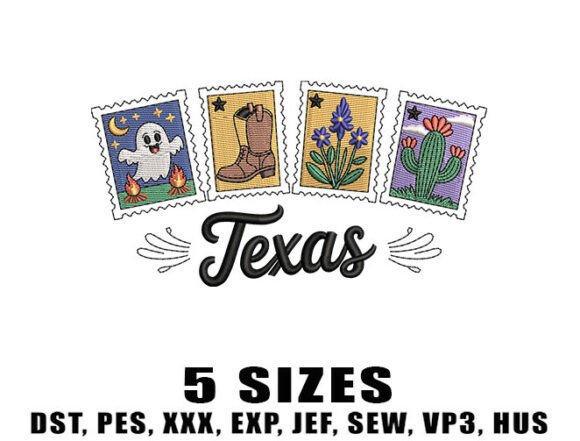
As a designer who spends more time staring at stitch simulations than I do sleeping, I am always on the lookout for files that bridge the gap between novelty and genuine aesthetic appeal. When I first pulled up the Texas Country Embroidery Design, my initial reaction was one of pleasant surprise. This isn't just another generic state outline; it is a curated collection of "stamps" featuring a ghost, a cowboy boot, a bluebonnet, and a cactus. While the product category lists this under Halloween, limiting its use to October would be a mistake. This file offers a versatility that speaks directly to Southern flair year-round, making it a potent asset for any craft business or hobbyist looking to expand their design assets.
First Impressions and Visual Personality
The layout of this machine embroidery design feels intentional rather than cluttered. The four distinct elements—the ghost, boot, flower, and plant—are arranged in a way that suggests a vintage travel stamp or a postmark. This gives the finished product an instant sense of nostalgia and authenticity. For an Etsy seller or boutique owner, this visual personality is gold. It doesn't scream "cheap souvenir"; instead, it whispers "handcrafted heritage."
The inclusion of the ghost adds a playful twist, perfectly aligning with the Halloween classification, yet it sits comfortably alongside the bluebonnet and cactus without feeling out of place. This balance allows the design to transition seamlessly from a spooky autumn decoration to a charming piece of custom apparel for a spring festival. The shape is compact enough to work on various items, and the detail level appears robust without being overly dense, which is crucial for maintaining clarity on smaller scales.
Real-World Application: The Tote Bag Test
To truly evaluate an embroidery file, you have to imagine it on a physical object. I visualized this design stitched onto a natural canvas tote bag design. Imagine a local farmer's market vendor selling organic produce or handmade soaps. Placing this Texas-themed stamp on their merchandise instantly brands the item as local and artisanal. The cowboy boot and bluebonnet anchor the regional identity, while the ghost adds a touch of whimsy that appeals to a broader audience.
Another strong contender for this pattern is a heavyweight cotton sweatshirt. Sweatshirt embroidery requires designs that can hold their own against thicker fabrics. Given the "stamp" aesthetic, this design would look fantastic centered on the chest or even as a larger back print using the 5.8-inch size option. For a small shop product line, offering these on hoodies during the fall season could drive significant engagement, especially if marketed as limited-edition holiday embroidery gifts.
I also see potential in home decor. A linen pillow cover or a kitchen tea towel featuring this motif would make an excellent personalized gift for someone who has recently moved to Texas or is missing home. The clean lines of the cactus and boot translate well to flat surfaces, ensuring the stitch density doesn't cause puckering on lighter linens if the proper stabilizer is used.
Navigating Fabric Challenges and Hoop Sizes
One of the most practical aspects of this product is the availability of five sizes, ranging from 3.8 inches up to 5.8 inches. However, size selection should never be arbitrary. When working with textured fabrics like terry cloth towels or thick denim, the larger sizes (4.8 inch and 5.8 inch) are preferable. They allow the satin stitch and fill stitch areas to breathe, preventing the details from getting lost in the fabric's pile.
Conversely, if you are attempting baby embroidery on a soft onesie, the 3.8-inch version is likely your safest bet. Babies have small frames, and a massive design can overwhelm the garment and feel uncomfortable against sensitive skin. Furthermore, when dealing with stretchy fabric or curved surfaces like caps, extra caution is required. While the design is suitable for hats, the intricate corners of the ghost or the fine lines of the bluebonnet might require a higher quality cut-away stabilizer to prevent distortion after washing.
Dark fabrics present another consideration. The preview images likely show the design on light backgrounds. If you plan to stitch this on a black or navy custom apparel piece, you must check the thread colors carefully. You may need to manually adjust the color sequence in your embroidery software to ensure the ghost pops against the dark background, perhaps using a metallic or brighter white thread to maintain that spectral effect.
Commercial Viability and Brand Consistency
For commercial embroidery professionals, consistency is key to building customer trust. This design's "stamp" style lends itself beautifully to branding. If you run a small shop product line focused on Southern goods, using this same motif across different items—aprons, patches, and bags—creates a cohesive brand identity. It acts as a visual signature that customers will begin to recognize.
The value proposition here is high. A simple tote bag becomes a statement piece with the addition of this embroidered patch style design. It elevates the perceived value of the handmade product, allowing you to command a better price point. Whether you are creating printable mockup images for your online store or photographing the actual finished product for Instagram, the visual appeal of these iconic Texas symbols is undeniable.
Designer Notes for Best Results
Before committing to a production run, I strongly advise following these practical steps:
- Test on Scrap First: Always stitch a sample on the exact fabric you intend to use. This reveals how the stitch density interacts with the material.
- Check Licensing: Since this is a digital product, confirm the license terms regarding commercial embroidery. Ensure you are allowed to sell finished physical items or if there are restrictions on reselling the digital embroidery file itself.
- Inspect Small Details: Zoom in on the ghost and the bluebonnet petals. Ensure the running stitch outlines are tight enough to prevent fraying over time.
- Contrast Check: View your design in black and white on your screen. If the elements blend together without color, the stitching might lack definition on certain fabrics.
- Stabilizer Selection: Match your stabilizer to the fabric weight. Heavy fabrics might need less support, while knits absolutely require a sturdy backing to maintain the shape of the boot and cactus.
In conclusion, the Texas Country Embroidery Design is a versatile, well-conceived file that goes beyond its seasonal categorization. It offers a unique blend of regional pride and playful design that fits perfectly into the current market for personalized, handmade goods. With careful attention to fabric choice and sizing, it can become a staple in your embroidery project portfolio, delighting customers and enhancing your brand's professional image.