Life After Death Embroidery: A Designer's Review for Merch
As an embroidery designer who has spent years digitizing logos and reviewing files for small business clients, I approach every new machine embroidery design with a critical eye. It is not just about whether the artwork looks pretty on a screen; it is about how that digital embroidery file translates into a tangible finished product that builds a brand. Recently, I had the opportunity to evaluate Life After Death Embroidery, a piece described as a symbol of rebirth in artistic thread. While the title immediately places it within the Halloween season or gothic aesthetic niches, my focus was strictly on its viability for commercial use. Could this design serve as a robust asset for a boutique, a creative studio, or a local café looking to expand their small business merch beyond the standard logo?
First Impressions: Balancing Mystery with Professionalism
The first thing that strikes me about Life After Death Embroidery is its thematic weight. The description hints at themes of mortality and transformation, which suggests a design that is likely bold, perhaps slightly rustic, and undeniably handmade in feel. For a business owner, this visual personality is a double-edged sword. On one hand, it offers a unique, edgy vibe that stands out in a sea of generic corporate branding. On the other hand, it requires careful placement to ensure it communicates "artisanal quality" rather than "spooky novelty."
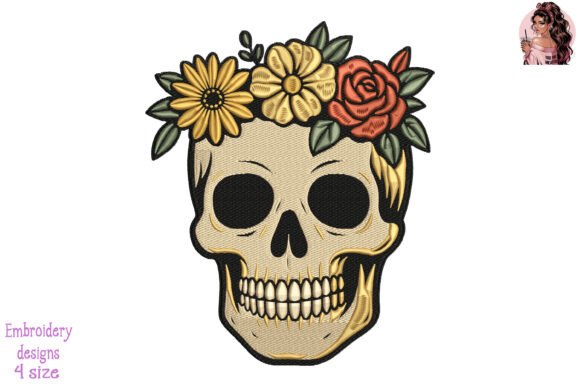
When reviewing the potential brand identity impact, this design feels premium and decorative. It is not a playful cartoon; it carries an air of elegance and mystery. For a florist specializing in dried arrangements, a bakery focusing on dark chocolate aesthetics, or a pet brand with a rescue mission (symbolizing rebirth), this design could be a perfect fit. However, for a general family restaurant or a children's party supply store, the themes might be too heavy. The key takeaway here is that Life After Death Embroidery works best for brands that want to tell a story of resilience, transformation, or high-end craftsmanship.
Real-World Application: From Patches to Uniforms
In a real case scenario, imagine a local coffee shop that wants to launch a limited edition line of merchandise for the autumn season. They need something that feels seasonal without being cliché. Life After Death Embroidery could function brilliantly as an embroidered patch sewn onto canvas tote bags or denim aprons. The concept of rebirth aligns well with the cycle of harvest and the cozy, introspective mood of fall.
For custom apparel, such as staff uniforms or work shirts, this design serves as an excellent chest logo accent or sleeve detail. Unlike a large back print, a smaller, intricate embroidery on the sleeve adds a touch of sophistication. If you are running an Etsy shop selling handmade goods, using this design as a woven label or a small patch on your packaging can elevate the perceived value of your items. It signals to the customer that attention to detail was paid not just to the product, but to the presentation.
Furthermore, for event merch, such as a pop-up shop or a craft fair, this design can be the centerpiece of a cap or a beanie. The tactile nature of Embroidery adds texture that printed ink cannot match, making the item feel like a collectible rather than disposable swag. When used correctly, Life After Death Embroidery transforms a simple garment into a conversation starter, driving buyer engagement and reinforcing the narrative of the brand.
Technical Considerations for Production
While the artistic merit is high, a professional review must address the technical hurdles. Any design dealing with complex themes often comes with high stitch density and fine details. Before committing to a production run, you must test the design on various fabric textures. Heavy saturation can cause puckering on lightweight materials like poly-cotton blends often used for apron embroidery or t-shirts.
There are specific areas where Life After Death Embroidery should be used with caution. If you intend to use it for cap embroidery, remember that the curved surface of a hat can distort detailed outlines. Tiny lettering, if present in the design, may become illegible if the patch size is too small. Additionally, if your business requires frequent washing of uniforms, you must ensure the thread colors have high contrast and the stitching is secure enough to withstand industrial laundering without fraying.
It is also crucial to consider the background fabric. Dark uniforms might require specific thread colors to make the design pop, whereas light fabrics might need a backing to prevent show-through. Always create a printable mockup for client approval before hooping the first stitch. This visual aid helps manage expectations regarding how the "mystery" elements of the design will render on different materials.
Enhancing Brand Trust and Visual Consistency
Ultimately, the goal of any commercial embroidery project is to strengthen customer trust. A sloppy or poorly executed design can damage a reputation instantly. Conversely, a well-executed piece like Life After Death Embroidery can significantly boost product value. When customers see a high-quality embroidered patch on a tote bag or a crisp logo on a chef's jacket, they subconsciously associate that quality with the business itself.
This design supports visual consistency when integrated thoughtfully into a broader set of design assets. If your brand uses earth tones and natural fibers, the organic feel of this embroidery complements that aesthetic perfectly. It reinforces the idea of a handmade product, even if the embroidery itself is machine-made. This perception of artisanal care is invaluable for small businesses competing against mass-market retailers.
Essential Designer Notes for Business Owners
Before you purchase the embroidery file or begin production, here is a checklist based on my experience reviewing similar designs:
- Test in Black and White: Convert the design to grayscale first to ensure the shapes and contrast hold up without relying on color.
- Check Scalability: Verify if the design remains clear at a small patch size (e.g., 2 inches) before attempting larger applications.
- Review Thread Contrast: Ensure your chosen thread palette provides enough separation between elements to maintain clarity.
- Inspect Spacing: Look for areas where stitches might merge; adjust pull compensation if necessary.
- Confirm Hoop Size: Check the required hoop size against your machine's capabilities and the dimensions of your garment.
- Test on Real Fabric: Never skip a test run on the actual material you plan to use for the final product.
- Use Proper Stabilizer: Select a stabilizer that matches the weight and stretch of your fabric to prevent distortion.
- Verify Licensing: Most importantly, confirm the commercial licensing terms. Ensure you have the right to use Life After Death Embroidery for resale items or branded uniforms.
In conclusion, Life After Death Embroidery is a compelling option for businesses looking to add depth and character to their merchandise. It is not merely a decoration; it is a strategic tool for storytelling. By respecting its technical requirements and aligning it with the right brand identity, small business owners can turn this artistic thread into a powerful symbol of their own business rebirth and growth.