Heart Clover Mini Embroidery: A Designer's Real-World Review
As a designer who spends more time at the hoop than away from it, I approach every new machine embroidery design with a critical eye. It is not just about whether the file opens; it is about how that embroidery file translates into a tangible, high-quality finished product. Recently, I evaluated the Heart Clover Mini Embroidery for a potential spring collection, and I want to share my practical insights on how this design performs in real-world scenarios.
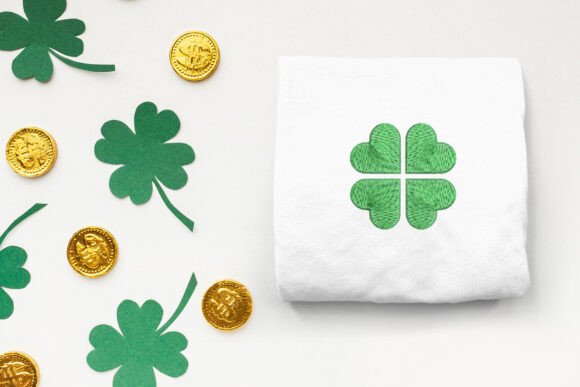
The first impression of the Heart Clover Mini Embroidery is one of whimsical charm. By merging the traditional four-leaf clover with heart-shaped leaves, the design immediately softens the typical rugged aesthetic of St Patrick S Day motifs. This creates a mood that is less about "luck of the Irish" pub culture and more about love, affection, and gentle celebration. Visually, the layout is compact and balanced, making it an ideal candidate for projects where space is at a premium but impact is still required.
Putting the Design to the Test: A Real Project Scenario
To truly gauge the value of this design, I imagined a specific client request: a set of custom linen tea towels and a structured canvas tote bag for a boutique home goods shop. The client wanted something festive for March but subtle enough to remain in use through April. The Heart Clover Mini Embroidery fit this brief perfectly.
When visualizing the sweatshirt embroidery or tote bag design, the scale matters immensely. This design comes in five sizes, ranging from 1 inch to 2 inches. For the tea towels, the 1.5-inch option provided a delicate accent near the hem without overwhelming the fabric. On the canvas tote, the 2-inch version offered enough presence to be noticed from a distance while maintaining the intricate detail of the heart-shaped leaves. The versatility of having multiple sizes in the zip file means you aren't forced to stretch a small motif onto a large garment, which often ruins the stitch density and visual clarity.
Performance on Various Fabrics and Surfaces
One of the most critical aspects of any digital embroidery file is how it handles different textures. In my assessment, the Heart Clover Mini Embroidery relies heavily on clean lines to define the heart shapes within the clover structure. On stable, woven fabrics like cotton twill, linen, or denim, the design shines. The satin stitch work likely used for the outlines would appear crisp, and the fill stitch areas would lay flat, creating a professional look that enhances the perceived value of the handmade product.
However, caution is advised when moving to trickier materials. If you are planning baby embroidery on stretchy knits or working on a curved surface like a cap, the small details of the heart tips could become distorted if the stabilizer isn't robust enough. For a custom apparel project on a fleece hoodie, I would recommend using a cut-away stabilizer rather than tear-away to prevent the stitches from sinking into the pile and losing their definition. The design is not an applique design, so it relies entirely on thread coverage; therefore, fabric texture plays a massive role in the final outcome.
Dark fabrics present another consideration. Since this is a holiday-themed piece, many crafters will want to stitch it onto Kelly green or black garments. You must carefully select your thread colors to ensure sufficient contrast. A metallic gold or a bright lime green would pop beautifully against dark backgrounds, whereas a muted sage might get lost. Always test your thread chart on a scrap piece of the actual fabric before committing to the final embroidery project.
Commercial Viability for Etsy Sellers and Small Shops
For Etsy sellers and creative entrepreneurs, the commercial potential of the Heart Clover Mini Embroidery is significant. The market is often saturated with generic shamrocks, but this heart-infused variation offers a unique selling point. It appeals to a broader demographic, including those looking for personalized gift ideas for weddings, baby showers, or Valentine's Day extensions, not just holiday embroidery for March.
When creating printable mockup assets for your online shop, this design photographs well because of its distinct silhouette. It reads clearly even in thumbnail images, which is crucial for buyer engagement. Whether you are selling design assets (if the license permits) or physical goods like embroidered patches, aprons, or pillow covers, the professionalism of the stitch path directly influences customer trust. A clean, well-digitized design signals that you care about quality, which can justify a higher price point for your small shop product.
Practical Notes for the Professional Maker
Before running this design on a client's garment, there are several technical checks every experienced embroiderer should perform:
- Stabilizer Selection: Given the small size (down to 1 inch), use a stabilizer appropriate for your fabric weight. For stretchy fabrics, a heavy-duty cut-away is essential to maintain the shape of the heart leaves.
- Thread Contrast: Verify that your chosen thread colors provide enough contrast against the base fabric, especially if stitching on dark or textured materials.
- Hoop Size Verification: While the design is small, ensure your machine's minimum hoop size can accommodate the smallest version without requiring excessive re-hooping or manual adjustment.
- Format Compatibility: The package includes eight formats (DST, EXP, HUS, JEF, PEC, PES, VP3, XXX). Double-check that you are loading the correct file extension for your specific machine model to avoid reading errors.
- Licensing Check: Always review the specific license terms included in the zip file. Confirm whether the design allows for unlimited physical sales or if there are restrictions on selling the digital file itself.
- Test Stitch: Never skip the scrap fabric test. Stitch the design on a similar material to check for pull compensation and to ensure the tiny points of the hearts do not bunch up.
In conclusion, the Heart Clover Mini Embroidery is a thoughtful addition to any designer's library. It bridges the gap between seasonal novelty and timeless sentiment. When executed with the right materials and attention to detail, it elevates simple items like kitchen towels or baby onesies into cherished keepsakes. For the craft business owner, it represents a low-risk, high-reward asset that can diversify your spring inventory with a touch of genuine creativity.