Wave Embroidery Design: A Boutique Sweatshirt Review
As an embroidery designer who has spent years digitizing and stitching for small clothing brands, I approach every new machine embroidery design with a critical eye. It is not just about whether the file opens; it is about how that design translates into a tangible, sellable product. Recently, I had the opportunity to evaluate the Wave Embroidery Design for an upcoming limited drop of premium sweatshirts. This review breaks down exactly how this whimsical asset performs when moved from a digital screen to heavy cotton blends, specifically for boutique brand owners and Etsy sellers looking to elevate their custom apparel.
First Impressions: Mood and Aesthetic Personality
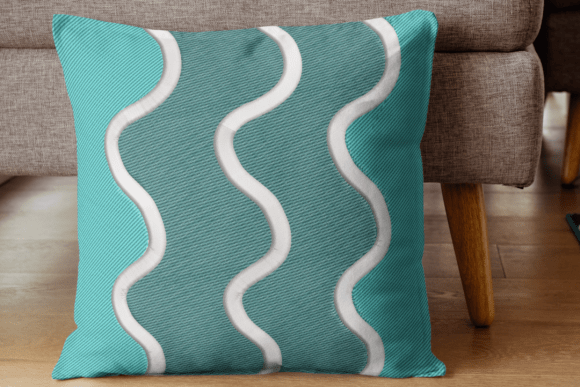
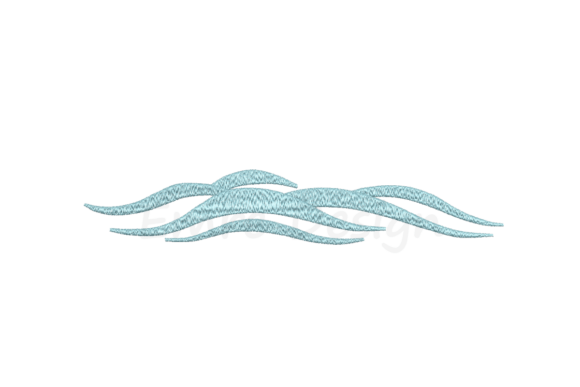
Upon loading the digital embroidery file, the first thing that strikes me is the fluidity of the lines. The description promises a "fun and whimsical touch," and visually, the design delivers on that promise without feeling juvenile. For a Summer collection or a transitional seasonal line, the Wave motif offers a sense of movement that static logos often lack. It feels decorative yet minimal enough to sit comfortably on high-end garments without overwhelming the fabric texture.
The layout suggests versatility. It does not scream "corporate uniform"; instead, it whispers "handmade product." This is crucial for small shop products where the story behind the item is as important as the item itself. The design carries a playful energy that can be interpreted as feminine, rustic, or simply modern depending on how you style it. When I visualize this on a neutral cream sweatshirt, the contrast creates a soft, organic look. On a dark navy or charcoal hoodie, the same design could pop aggressively if paired with high-contrast thread colors, shifting the vibe from cozy to bold.
Application on Premium Sweatshirts and Hoodies
The real test for any embroidery file is its application on thick, textured fabrics. Sweatshirt embroidery presents unique challenges compared to t-shirts or towels. The pile of the fleece can swallow fine details, and the stretch of the fabric requires careful stabilization. In my evaluation of the Wave Embroidery Design for a boutique sweatshirt project, I focused heavily on placement and scale.
For a classic chest placement on an oversized hoodie, this design shines. Its flowing lines mimic the drape of the garment, creating a cohesive visual flow. If you are aiming for a subtle branding effect, scaling the design down for a sleeve accent works beautifully. It acts as a secret detail for the wearer, adding value without shouting for attention. For back designs, the Wave motif could be repeated or enlarged to create an all-over pattern effect, though one must be mindful of the total stitch count to ensure the garment remains wearable and not stiff.
When considering pastel colors, which are staples in Spring and Summer collections, the design maintains its integrity. The whimsical nature of the wave complements soft hues like sage green, blush pink, or lavender. However, for a more rustic or earthy brand identity, pairing this design with oatmeal or terracotta fabrics grounds the playfulness, making it feel more established and less like a novelty item.
Technical Considerations for Commercial Use
Before running a production batch for a client, there are several technical hurdles to clear. While the product description highlights its charm, it does not specify exact stitch counts, hoop sizes, or recommended thread palettes. As a professional, I must remind fellow designers and Etsy sellers to verify these details in the specific file download before committing to production.
- Stitch Density: On thick sweatshirt material, low-density designs can look sparse, while overly dense designs can cause puckering. The Wave design appears to have a balanced fill, but testing on a scrap piece of your actual fabric is non-negotiable.
- Stabilizer Choice: For fleece and heavy cotton blends, a cut-away stabilizer is usually superior to tear-away. It provides lasting support for the stitches, ensuring the design survives multiple wash cycles without distorting.
- Thread Color Contrast: To maximize the "personality" mentioned in the description, experiment with variegated threads. A multi-color thread can enhance the wave motion, making the finished product look even more dynamic.
- Small-Size Readability: If you plan to use this as a small logo on cuffs or tags, ensure the finest lines of the wave do not merge together. Machine embroidery designs often lose definition when scaled too small.
Durability is another major factor for commercial embroidery. A boutique brand cannot afford returns due to peeling or fraying stitches. The continuity of the wave shape suggests good structural integrity, provided the underlay stitches are sufficient for the fabric weight. Always check the washing instructions for your specific thread and fabric combination to guarantee longevity.
Elevating Brand Identity and Product Value
In the crowded marketplace of handmade goods, visual recognition is everything. Using a distinctive asset like the Wave Embroidery Design helps build a consistent brand identity. When customers see that specific wave motif across your Instagram feed, your website, and your packaging, it builds trust. It signals that you care about the details, transforming a basic sweatshirt into a curated lifestyle product.
Furthermore, the aesthetic appeal of this design directly impacts product value. A well-executed embroidery job on a premium blank can justify a higher price point than a simple screen print. The texture of the thread against the fabric adds a tactile dimension that photos can barely capture, yet it drives engagement when seen in person. For those creating printable mockups for online listings, this design offers excellent versatility. It looks great in flat lays, on hangers, or modeled in lifestyle shots, helping potential buyers visualize the finished product in their own wardrobe.
Final Verdict for Creative Entrepreneurs
The Wave Embroidery Design is a strong contender for small business owners looking to add a touch of whimsy to their catalog. It bridges the gap between casual comfort and decorative art. Whether you are decorating towels for home decor or launching a new line of custom apparel, this design brings a personality that resonates with modern consumers.
However, success lies in the execution. Do not treat this as a generic clip-art solution. Treat it as a core component of your brand's visual language. Select your thread colors with intention, choose your stabilizer wisely, and always test on the actual fabric you intend to sell. By doing so, you transform a simple digital file into a high-value asset that drives customer engagement and defines your small shop product line. Remember to double-check the technical specifications included with your purchase to ensure the hoop size and format match your machine capabilities before starting your next big drop.