Bass Fish Calligraphy Embroidery: A Designer's Review
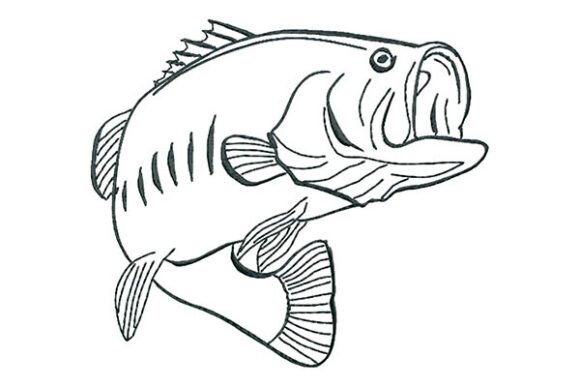
When I first pulled up the Bass Fish Calligraphy Style Embroidery file on my screen, I wasn't looking for just another aquatic motif to add to my library. As someone who spends hours hooping fabric, trimming jump stitches, and calculating thread costs for clients, I need designs that do more than just look cute in a thumbnail. I need workhorses that elevate the final product. This specific design caught my eye because it promises a fusion of nature and typography, a trend that has been gaining serious traction in boutique apparel and home decor. The preview showed a detailed outline of a bass, but instead of rigid, technical lines, it utilized flowing, artistic strokes that mimic hand-lettering. My immediate question was simple: does this "calligraphy" style translate well to actual thread, or is it a visual trick that falls apart under the needle?
The Aesthetic Appeal and First Impressions
The mood this machine embroidery design creates is distinctly upscale. Unlike standard cartoonish fish often found in children's baby embroidery projects, this piece feels mature and refined. The calligraphic approach gives the bass a sense of movement, as if it is swimming through water made of ink. For a designer, this is crucial because it expands the target audience. You aren't just selling to fishing enthusiasts; you are selling to people who appreciate line art, minimalism, and modern farmhouse aesthetics.
The layout appears balanced, with the curves of the fish body providing a natural rhythm. In a real-world scenario, I imagined this stitched onto a high-quality linen tote bag design for a local farmer's market vendor. The flowing lines would complement the organic texture of the canvas perfectly. However, the elegance of the design relies heavily on the execution of the running stitch and potential satin stitch accents. If the digitizer didn't account for thread pull, those delicate calligraphy tails could distort, ruining the illusion of fluid motion.
Real-World Application: The Custom Sweatshirt Test
To truly evaluate the Bass Fish Calligraphy Style Embroidery, I mentally walked through a recent client request: a custom order for a lakeside cabin rental company. They wanted branded sweatshirt embroidery for their guests—something cozy but stylish enough to be worn beyond the trip. This design fit the brief perfectly. The intricate outline suggests a level of craftsmanship that justifies a higher price point compared to a basic fill design.
When considering custom apparel, the interaction between the design and the fabric is paramount. On a heavyweight cotton blend sweatshirt, the definition of the calligraphy lines holds up well. The thread colors chosen here matter immensely. While a classic navy or forest green works for a traditional look, testing this in a monochromatic scheme—say, slate grey thread on a charcoal heather garment—could create a sophisticated, tonal effect that appeals to a fashion-forward demographic. For an Etsy seller, this versatility is a goldmine. It allows you to create multiple listings from a single digital embroidery file simply by swapping thread palettes.
I also considered its use as an embroidered patch. The continuous flow of the design means there are fewer isolated islands of stitching, which generally makes for a cleaner cut-and-sew process if you are making iron-on or sew-on patches for a small shop product line. The lack of dense, blocky fills reduces the stiffness of the final patch, making it more comfortable on wearable items like caps or jackets.
Technical Considerations and Fabric Challenges
However, no design is without its challenges, and a professional review must address where things can go wrong. The "calligraphy" aspect implies varying line widths and potentially sharp tapering ends. On textured fabrics like waffle knit or heavy terrycloth towels, these fine details might get lost. The fabric texture can swallow thin running stitches, making the fish look fragmented rather than fluid. If you are planning a holiday embroidery project using plush blankets, I would advise against this specific design unless you are confident in your stabilizer game.
Speaking of stabilization, the open nature of this outline means you must choose the right backing. Using a cut-away stabilizer is likely non-negotiable for garments that will undergo frequent washing. A tear-away might leave the delicate calligraphy tails unsupported over time, leading to puckering. Furthermore, if you intend to place this on a curved surface like a baseball cap, you need to verify the hoop size compatibility. While the design looks compact, the sweeping tails of the calligraphy style might require a larger hoop than a standard block logo, or they might need to be re-digitized to prevent distortion on the curved brim.
Another critical factor is stitch density. Although the description highlights an "outline," some versions of such designs include subtle fill areas to give the fish volume. If the density is too high in these small sections, it can cause the fabric to pucker, especially on thinner materials like performance tees or silk blends. Always run a test stitch-out on scrap fabric that matches your final material. Check the underside of the stitch as well; messy bobbin work can ruin the clean look of the top threads, particularly in the negative space between the calligraphy loops.
Commercial Viability and Brand Consistency
For those running a craft business, the value of a design isn't just in how it looks, but in how it sells. The Bass Fish Calligraphy Style Embroidery has high "giftability." It feels personal and artisanal, which builds customer trust. When a buyer sees this level of detail, they perceive the handmade product as having higher value, allowing you to command better margins. It works exceptionally well for personalized gift markets, such as adding a name in a matching script font beneath the fish for a wedding gift or a nursery decoration.
From a branding perspective, this design offers consistency. Whether used on a kitchen towel, a tote bag, or a wall hanging, the artistic style remains recognizable. This helps in building a cohesive brand identity for boutiques specializing in outdoor or rustic themes. For digital product sellers, creating printable mockups with this design is straightforward because the silhouette is strong and instantly recognizable even at smaller sizes in photos.
Final Verdict and Designer Notes
In conclusion, the Bass Fish Calligraphy Style Embroidery is a standout choice for designers who want to move away from generic clip-art styles. Its strength lies in its artistic flair and adaptability across various finished product categories. However, it demands respect for the medium. It is not a "load and go" design for difficult fabrics without preparation.
Before committing to a production run or listing it in your shop, keep these practical steps in mind:
- Test on Scraps: Always stitch a sample on the exact fabric weight you plan to sell.
- Check Contrast: Ensure your thread color contrasts sufficiently with the fabric so the calligraphy lines don't vanish.
- Review Density: Inspect the stitch count in the thinnest parts of the tail and fins to ensure they won't break during wear.
- Verify Licensing: Since this is intended for potential commercial use, confirm the license terms regarding the number of physical items you can sell.
- Mockup Testing: Create black and white mockups to see if the design holds its shape without the distraction of color.
If you take the time to understand its nuances, this embroidery project can become a staple in your catalog, offering a perfect blend of nature-inspired theme and typographic elegance that customers love.