Camera Aperture Applique Embroidery Review
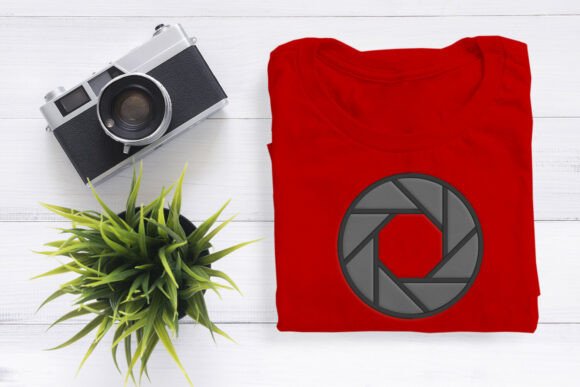
As a designer who spends more time hooping fabric than I do sleeping, I am always skeptical of "cute" niche designs. Too often, they look charming on a screen but turn into a thready mess once the machine starts humming. However, when I pulled up the Camera Aperture Applique Embroidery file to evaluate it for a potential boutique run, my first impression was surprisingly positive. This isn't just a generic icon; it is a well-structured applique design that understands the mechanics of modern embroidery machines.
The visual personality of this machine embroidery design strikes a balance between technical precision and playful charm. The aperture blades are distinct, creating a sense of depth that flat stitching often misses. For a project targeting shutterbugs, photography students, or even just someone who loves vintage aesthetics, this design feels authentic. It doesn't scream "clip art"; it feels like a deliberate graphic element ready for a handmade product.
Real-World Application: The Boutique Tote Test
To truly judge the value of any digital embroidery file, you have to imagine it on a physical object. I mentally placed this design onto a heavy canvas tote bag design intended for a local camera shop's merchandise line. The circular nature of the aperture fits perfectly within standard hoop constraints, but the real test is how the applique layers interact with the fabric texture.
In this scenario, the design shines. The outer ring provides a solid anchor, while the inner blades offer a fantastic opportunity to play with thread colors. Imagine using a metallic gold thread for the aperture blades against a deep navy canvas. The contrast would be striking. For an Etsy seller looking to create custom apparel or accessories, this versatility is key. It moves beyond a simple personalized gift and enters the realm of branded design assets that can define a small shop's aesthetic.
I also considered this for sweatshirt embroidery. On a fleece background, the satin stitch borders typical of quality applique files would pop beautifully, adding texture without overwhelming the garment. It is substantial enough to be the main feature on a chest pocket or a large back print, giving the finished product a professional, store-bought feel rather than a homemade look.
Technical Performance and Stitch Quality
When evaluating the technical construction, the Camera Aperture Applique Embroidery demonstrates a clear understanding of stitch types. A good applique relies on the interplay between the running stitch for placement, the tack-down stitches, and the final satin stitch border. From the preview, the density looks appropriate for the size ranges provided. It avoids the common pitfall of over-stitching, which can cause puckering, especially on lighter fabrics.
The inclusion of six sizes in the zip file is a significant practical advantage. Whether you are working on a tiny embroidered patch for a hat or a larger motif for a pillow cover, having scalable options means you aren't forced to resize the file manually, which can distort stitch angles and ruin the stitch density. The formats included—DST, EXP, HUS, JEF, PEC, PES, VP3, and XXX—cover the vast majority of home and commercial machines, making this a safe bet for diverse equipment setups.
However, clarity is everything. The "blades" of the aperture are the critical detail. If these are too small in the 70mm version, they might merge into a solid blob. My advice is to scrutinize the smallest size carefully. For baby embroidery projects, where softness and simplicity are preferred, the larger sizes might be better suited to ensure the details remain crisp and the fabric doesn't become too stiff.
Material Considerations and Potential Pitfalls
No design is universal, and honest reviews must address limitations. While this applique design is robust, it requires careful handling on certain materials. If you are attempting this on a stretchy knit or a very thin rayon, the weight of the applique fabric combined with the satin border could cause distortion. In these cases, using a high-quality cut-away stabilizer is non-negotiable. Do not skimp here; the structural integrity of the aperture depends on it.
Curved surfaces present another challenge. Placing this on a cap is possible, but the circular geometry must align perfectly with the curve of the crown. If the hoop size is too tight for the chosen cap frame, you risk skipping stitches on the outer edge. Similarly, dark fabrics require high-contrast thread choices. A black aperture on a black hoodie will vanish unless you use a glossy thread or a slightly different shade to create definition.
For items that will undergo frequent washing, like tea towels or kitchen towels, ensure the applique fabric is pre-washed to prevent shrinkage later. Nothing ruins customer trust faster than a holiday embroidery gift that warps after the first laundry cycle. The durability of the satin stitch border is generally high, but sharp corners on the aperture blades should be inspected for potential thread breaks during the initial test run.
Commercial Viability and Brand Consistency
For craft business owners and creative entrepreneurs, the question is always about return on investment and brand perception. Does this design elevate the product? Absolutely. Photography is a passionate hobby and profession; gear-themed merchandise sells well year-round, not just during holiday embroidery seasons. Using the Camera Aperture Applique Embroidery allows for a cohesive collection. You can match it with lens caps, film strips, or shutter icons to build a full product line.
Visual appeal directly influences buyer engagement. A clean, well-executed applique suggests professionalism. It tells the customer that care was taken in the production process. For printable mockups used in online listings, this design photographs exceptionally well because of its defined shapes and potential for shadow play created by the layered fabric.
Before listing items for sale, however, you must verify the licensing terms associated with the file. While the product description mentions it is suitable for various uses, always confirm if there are restrictions on the number of physical items you can sell or if the file itself can be redistributed. Protecting your small shop product line starts with respecting intellectual property.
Final Designer Notes
If you are ready to integrate this into your workflow, start with a test stitch on scrap fabric that matches your final material. Check the registration of the applique fabric; it should sit flush without gaps showing under the satin border. Experiment with different thread colors to see how light interacts with the texture. Try a monochromatic look for a subtle, sophisticated vibe, or go bold with contrasting hues for a pop-art feel.
Ultimately, the Camera Aperture Applique Embroidery is a versatile tool in the Games and hobbyist category, though its applications extend far beyond play. It is a functional, aesthetically pleasing design that, when executed with the right materials and stabilizers, can become a staple in your catalog of commercial embroidery projects. It respects the craft, offering enough detail to be interesting but enough simplicity to be reliable. For anyone looking to add a touch of photographic flair to their embroidery project lineup, this file is worth the hoop time.