Cheer Embroidery: A Designer's Review for Real Projects
When I first pulled up the Cheer Embroidery file on my screen, my immediate reaction was one of quiet optimism. In the world of machine embroidery design, it is easy to get lost in overly complex patterns that look stunning digitally but turn into a thread nest on the fabric. However, this particular Inspirational piece strikes a balance between visual charm and technical feasibility. As someone who reviews designs not just for aesthetics but for their viability in a commercial or serious hobbyist setting, I approached this embroidery project with a critical eye. The question wasn't just "Is it pretty?" but rather, "Will this hold up on a tote bag after fifty washes, and will it sell on an Etsy shop?"
The Visual Personality and First Impressions
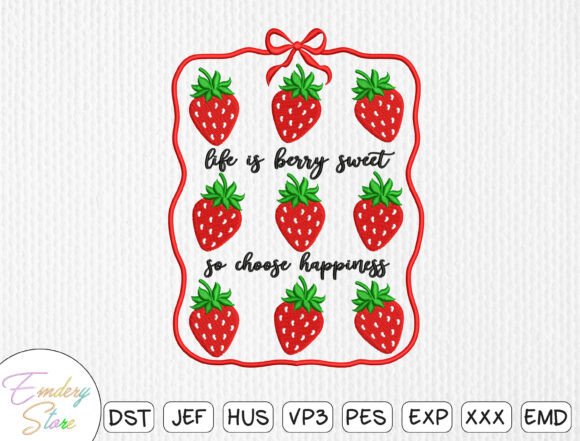
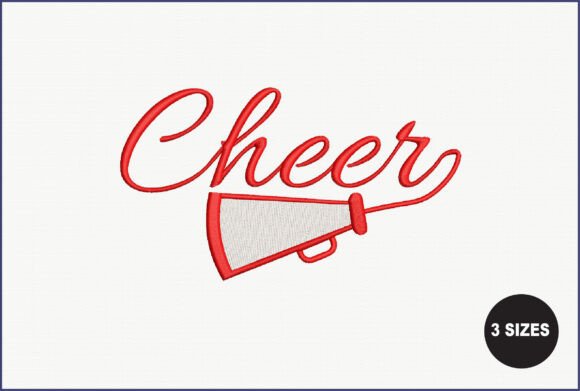
The mood created by Cheer Embroidery is undeniably uplifting. It carries a lightness that fits perfectly into the current trend of positive affirmation decor and apparel. The layout feels open and breathable, avoiding the dense, heavy blocks of stitching that can make small items feel stiff. Visually, the design relies on clean lines and a confident use of space. Whether you are using a classic satin stitch for the outlines or a textured fill stitch for the interior, the design maintains its legibility. This clarity is crucial when you are selling a handmade product; customers need to read the message or recognize the motif instantly from a distance, whether it is on a market stall table or a thumbnail image on a mobile device.
For designers creating printable mockups or digital previews, this design offers excellent versatility. Its shape translates well across different color palettes, allowing you to visualize it on everything from crisp white linens to deep navy sweatshirts without losing its impact. It feels less like a generic clip-art conversion and more like a thoughtfully digitized asset ready for production.
Real-World Application: The Custom Tote Scenario
To truly test the worth of any machine embroidery design, I imagine a specific real-life scenario. Let's say a client orders a set of custom tote bags for a local yoga studio or a boutique gift shop. They want something that says "joy" without being cliché. Cheer Embroidery fits this brief perfectly. When stitched onto a canvas tote, the design's structure prevents it from distorting, provided the correct stabilizer is used.
I can envision this working beautifully as a central focal point on a tote bag design. Unlike some intricate files that require tiny hoops and excessive trimming, this design seems robust enough to handle the texture of canvas or heavy cotton twill. For an Etsy seller, this means faster production times and fewer headaches with thread breaks. If you are running a small batch for a holiday market, the consistency of the stitch output means every unit looks professional, reinforcing brand trust. A customer buying a personalized gift expects perfection; a sloppy finish due to a poor-quality file can ruin a reputation. This design appears to mitigate those risks.
Versatility Across Products
Beyond tote bags, the adaptability of Cheer Embroidery extends to various substrates. Consider sweatshirt embroidery. Fleece and French terry can be tricky due to their pile and stretch, but a design with clear definition helps navigate these challenges. Placed on the chest or sleeve, it adds a touch of personality to custom apparel without overwhelming the garment.
It also shines in home decor contexts. Imagine this stitched onto a kitchen tea towel or a pillow cover. These items often undergo frequent washing, so the integrity of the embroidery file is paramount. The description suggests it embellishes fabrics with charm, and in practice, this likely means the stitch density is balanced—not so sparse that the fabric shows through awkwardly, but not so dense that it creates a cardboard-like stiffness. For baby embroidery projects, such as bibs or onesies, the softness of the finished stitch is a priority. If the design uses appropriate underlay and avoids excessive buildup, it becomes a safe and delightful addition to a nursery.
Technical Considerations and Potential Pitfalls
While Cheer Embroidery shows great promise, a responsible designer must address where caution is needed. No design is universal. If you are planning to stitch this on a curved surface like a cap, you must verify the hoop size compatibility and how the design handles distortion on that specific geometry. Caps require specialized digitizing techniques to prevent pull-away; if this file wasn't specifically optimized for headwear, you might see registration issues in the corners.
Similarly, pay close attention to thread colors against dark fabrics. A design that pops on white may vanish on black if the contrast isn't managed. Always run a test stitch-out on scrap fabric that matches your final material. This is non-negotiable for maintaining quality control in a craft business. Check the stitch density carefully; if the design includes very fine details or tiny lettering, ensure your machine and needle size can handle them without skipping. On stretchy fabrics, the wrong stabilizer choice can lead to puckering, which ruins the finished product's aesthetic.
Furthermore, consider the care instructions for the end user. If this is going onto an item that needs frequent washing, like an apron or a child's shirt, inspect the satin columns for potential fraying over time. A quick pull-test on your sample can save you from a batch of returns.
Enhancing Brand Value and Customer Engagement
Ultimately, the choice of design assets influences your brand perception. Using a high-quality, cohesive design like Cheer Embroidery signals professionalism. It tells your customer that you care about the details. In the competitive landscape of commercial embroidery and handmade goods, visual appeal drives engagement. A design that exudes positivity and is executed cleanly encourages buyers to share photos on social media, effectively providing free marketing for your small shop product.
Whether you are creating a holiday embroidery gift, a wedding favor, or a line of boutique merchandise, the emotional resonance of the design matters. "Cheer" is a powerful sentiment, and when rendered well, it connects with people. It transforms a simple piece of fabric into a vessel for good vibes, increasing the perceived value of the item.
Final Verdict and Designer Notes
Before committing to a full production run, here is my practical checklist for anyone using this file:
- Test First: Always stitch a sample on the actual fabric you intend to use. Fabric texture changes how stitches sit.
- Check Licensing: Confirm the license terms before selling. Can you sell the physical item? Can you sell the digital file? Never assume.
- Stabilizer Strategy: Match your stabilizer to the fabric weight. Cut-away for stretchy knits, tear-away for stable wovens.
- Color Contrast: View your design in black and white to ensure the shapes remain distinct regardless of thread choice.
- Detail Inspection: Zoom in on the preview to check for tiny jumps or unnecessary trims that could slow down production.
Cheer Embroidery represents the kind of reliable, versatile asset that every embroiderer hopes to find. It bridges the gap between artistic expression and practical manufacturing. By understanding its strengths and respecting its limitations, you can leverage this design to create products that not only look beautiful but also stand the test of time and use. Whether you are a seasoned pro or a passionate hobbyist, integrating such thoughtful designs into your workflow elevates the entire crafting experience.