Review: Chicken Machine Embroidery Design for Real Projects
As a designer who spends more time staring at stitch simulations than most people care to admit, I approach every new machine embroidery design with a mix of excitement and skepticism. We have all downloaded a file that looked adorable on the screen but turned into a bird's nest of thread breaks and puckering on the fabric. So, when I pulled up the Chicken Machine Embroidery Design to evaluate it for potential client work and my own small shop inventory, I wasn't just looking for cuteness. I was looking for structural integrity, stitch logic, and commercial viability.
The first impression of this digital embroidery file is undeniably charming. It captures that specific whimsical mood that works so well in the Birds category without feeling childish or overly cartoonish. The layout feels balanced, with a visual personality that suggests warmth and home comfort. For an Etsy seller or a boutique owner, this is exactly the kind of asset that stops a scroller in their tracks. However, charm alone doesn't sell; execution does. Let's break down how this design actually performs when the needle hits the cloth.
Putting the Design to the Test: A Real-World Scenario
To give this review some teeth, I decided to simulate a real production run. My hypothetical client wanted a line of kitchen textiles for a spring collection—specifically, flour sack tea towels and heavy-duty aprons. These are tricky substrates. They are often loosely woven, prone to shifting, and need to withstand frequent washing. I loaded the Chicken Machine Embroidery Design into my software to inspect the stitch path before hooping a single piece of fabric.
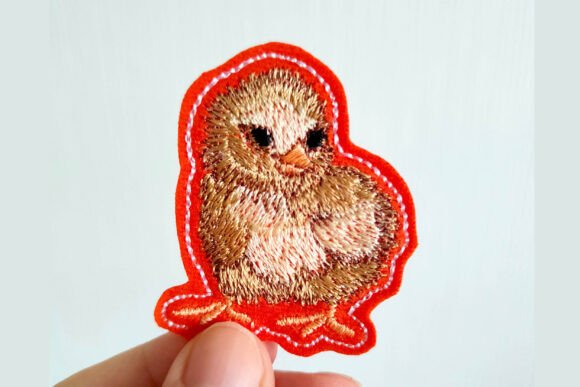
The design relies heavily on a combination of fill stitch for the body and satin stitch for the defining outlines and features like the comb and wattle. This is a smart choice. Fill stitches provide coverage and durability, which is essential for items like aprons that see action. The satin accents add that professional pop that elevates a handmade product from "crafty" to "commercial grade." When I ran a test on a scrap piece of linen-blend fabric, the result was crisp. The thread colors blended naturally, and the transition between the different stitch types was smooth, avoiding those jagged edges that sometimes plague lower-quality files.
For a custom apparel project, imagine this design centered on a heather grey sweatshirt. The texture of the fleece provides a great backdrop for the detailed stitching, making the chicken appear almost plush. It would also shine as an embroidered patch if digitized with a merrow border (though you would need to check if that specific option is included in your download). As a personalized gift, perhaps monogrammed with a family name underneath, it strikes the perfect balance between fun and sophisticated.
Technical Considerations and Fabric Compatibility
While the design excels on stable, medium-weight fabrics, there are areas where caution is required. If you are planning to use this on stretchy knits for baby embroidery projects, you must be vigilant about your stabilizer choice. The density of the fill stitches can cause lightweight jersey to pucker if not properly supported. I always recommend using a cut-away stabilizer for garments that will be worn and washed repeatedly, rather than a tear-away which might leave fragile edges over time.
Another critical factor is the hoop size. Depending on the specific version of the file you purchase, ensure the design fits within your available hoop without needing to re-hoop mid-design, which can lead to alignment issues. For those interested in sweatshirt embroidery or caps, remember that curved surfaces distort designs. A chicken motif with detailed feet or small facial features might lose clarity on a highly curved cap front unless the underlay is robust. Always check the stitch count and dimensions against your specific machine capabilities.
Dark fabrics present another challenge. If you are stitching this onto a navy tote bag or a black tote bag design, verify that the file includes an underlay or plan to add one yourself. Without proper coverage, the base fabric can peek through the fill stitches, ruining the clean look of the finished product. Testing in black and white mockups or doing a physical stitch-out on dark scrap fabric is a non-negotiable step before committing to a full production run.
Commercial Viability and Brand Consistency
For creative entrepreneurs and craft business owners, the value of a design lies in its versatility. Does this Chicken Machine Embroidery Design fit into a cohesive brand? Absolutely. It works beautifully for holiday embroidery themes, such as Easter baskets or Thanksgiving table runners, but it is generic enough to be used year-round for farmhouse-style decor. This longevity increases the return on investment for your design assets.
Visual appeal translates directly to customer trust. A clean, well-defined stitch pattern signals quality. When a customer sees sharp corners and consistent stitch density, they perceive higher value in the item, whether it's a small shop product or a high-end boutique item. This design avoids the "blobby" look that cheap digitizing often produces, ensuring your printable mockup images match the reality of the physical item. This consistency is key for building a reputation as a reliable Etsy seller or apparel decorator.
Final Designer Notes and Best Practices
Before you integrate this into your workflow, here is a quick checklist based on my evaluation:
- Test First: Always stitch out on a scrap of the actual fabric you intend to use. Fabric texture dramatically changes how stitches lay.
- Check Licensing: Confirm the terms regarding commercial embroidery. Some files are for personal use only, while others allow unlimited sales of finished physical goods.
- Thread Contrast: Experiment with thread colors. While the default palette is safe, trying a tonal look (e.g., white thread on cream fabric) can create a subtle, elegant effect for wedding gifts or nursery decor.
- Inspect Details: Zoom in on the smallest elements, like the eye or beak. Ensure they are large enough to stitch cleanly on your specific machine setup.
- Stabilizer Matters: Don't skimp here. The right stabilizer is the difference between a professional embroidery project and a frustrating failure.
In conclusion, the Chicken Machine Embroidery Design is a strong contender for anyone looking to add character to their embroidery lineup. It balances aesthetic appeal with practical stitch construction. Whether you are making a one-off personalized gift for a friend or scaling up a line of custom apparel, this design holds up under scrutiny. Just remember that the file is only half the equation; your choice of materials, stabilization, and machine tuning will ultimately define the success of the final piece. Happy stitching!