Cute Owl Embroidery Design Review for Craft Fairs
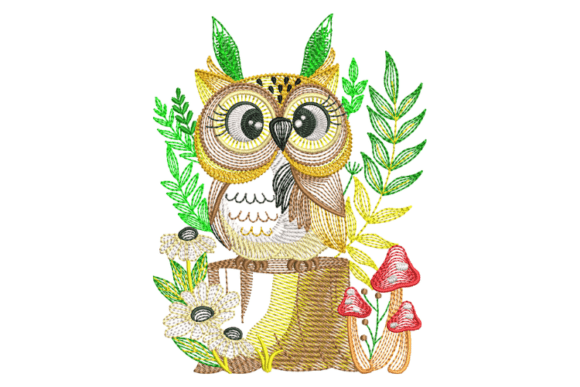
As an embroidery designer preparing for a busy weekend at the local artisan market, I spend a lot of time curating which machine embroidery design files make the cut. My booth space is limited, and every item on display needs to stop a customer in their tracks. Recently, I pulled the Cute Owl Embroidery Design from my library to evaluate its potential as a top seller. This isn't just about whether the file stitches out cleanly; it is about whether this specific owl face will convert browsers into buyers when stitched onto real-world products.
The first impression of this design is undeniably charming. With its big expressive eyes and sweet little beak, the aesthetic leans heavily into the "playful cartoon" style mentioned in the description. It feels soft, approachable, and perfectly suited for the current trend of whimsical woodland decor. Unlike intricate, realistic bird patterns that might get lost from a distance, this design relies on bold shapes and high contrast. For a craft fair environment where people are walking past tables quickly, that immediate visual clarity is crucial. It screams "handmade product" without looking overly complicated or intimidating to the average buyer.
Visual Appeal and Product Versatility
When I imagine setting up my display table, I need designs that work across various substrates. The Cute Owl Embroidery Design shines here because of its simplified features. On a canvas tote bag design, those large eyes become a focal point that draws attention even from three feet away. I can picture this stitched in warm autumn tones on a natural cotton bag, creating an instant bestseller for fall markets.
Moving to the kitchen section of my booth, this design translates beautifully to tea towel embroidery. The playful nature of the owl fits the "farmhouse chic" vibe that dominates home decor sales. However, one must be mindful of the fabric texture. Terry cloth or waffle weave towels can sometimes swallow small details. Since this owl features a "sweet little beak," I would need to ensure the stitch count in that area is dense enough to remain visible against a looped towel surface. If the details are too fine, they might disappear, turning a cute character into a blurry blob.
For smaller items like fabric pouches or zippered cases, this design acts as a perfect central motif. It is compact enough to fit on a coin purse but large enough to be the main selling feature. As an Etsy seller knows, photography is everything. This design photographs exceptionally well because the high-contrast eyes create a natural focal point in thumbnail images. Whether used for a printable mockup online or a physical sample in a booth, the graphic quality of the owl ensures it pops against both light and dark backgrounds.
Production Practicality for Batch Selling
From a production standpoint, speed and consistency are key for craft fair sellers. We often need to churn out dozens of units before a show. The Cute Owl Embroidery Design appears to have a structure that favors batch production. Cartoon-style designs typically utilize satin stitches for outlines and fill stitches for larger areas, which generally run faster than complex photo-realistic patterns.
However, before committing to a full run of apron embroidery or hat batches, there are critical technical checks to perform. You must verify the stitch density. If the design is too dense, it could cause puckering on lighter fabrics like linen tea towels or thin cotton tote bags. Conversely, if it is too sparse, the backing fabric might show through, especially if you are using dark thread on a light background or vice versa.
Another consideration is the hoop size. While the description suggests it is perfect for baby items, implying a smaller scale, I need to confirm if the file is available in multiple sizes. A design that works on a onesie might look lost on a large pillow cover. If the digital embroidery file allows for resizing without losing integrity, it becomes a much more valuable asset for a small shop product line. Always check the maximum and minimum dimensions provided by the creator to ensure you aren't stretching the pixels or compressing the stitches beyond their limit.
Strategic Placement and Customer Engagement
In a bustling market, customer engagement often starts with a question like, "Can you put this on a hat?" Caps are tricky due to their curved surfaces. The Cute Owl Embroidery Design, with its round face, is actually a strong candidate for cap embroidery, provided the center of gravity is balanced. The symmetrical nature of the owl's face helps maintain visual stability even when stitched on a curved front panel.
I also see huge potential for this design as an embroidered patch. Patches are low-risk impulse buys for customers who aren't ready to spend $40 on a tote bag. By stitching this owl onto twill and cutting it out, I can create a versatile add-on item. This expands the reach of the design beyond just direct-to-garment applications. It allows customers to apply the "woodland charm" to jackets, backpacks, or existing gear they already own.
For those running a commercial embroidery business, licensing is paramount. Before listing finished goods made with this file on Etsy or at a physical fair, you must review the license terms. Some designers allow unlimited finished product sales, while others restrict the number of items or require attribution. Never assume a file is free for commercial use just because you purchased it. Protect your brand consistency and legal standing by reading the fine print included with your design assets.
Final Designer Notes and Recommendations
To maximize the success of the Cute Owl Embroidery Design in your lineup, follow these practical steps before your next event:
- Test on scrap fabric: Always stitch a sample on the exact material you plan to sell. A design that looks great on quilting cotton might pucker on a thick canvas tote.
- Check thread contrast: Ensure the thread colors chosen for the eyes and beak stand out against the base fabric. High contrast drives sales.
- Review spacing: Look at the distance between the eyes and the beak. If they are too close, they might merge during stitching.
- Use the right stabilizer: Match your stabilizer to the fabric weight. Cut-away stabilizer is often safer for wearables to prevent distortion over time.
- Create a real mockup: Don't rely solely on digital previews. Sew one finished sample to hold in your hand; it helps you judge the true tactile quality.
- Compare fabric colors: Test the design on white, cream, navy, and forest green. Woodland themes often sell best on earth tones.
In conclusion, the Cute Owl Embroidery Design holds significant promise for craft fair booths and online shops alike. Its blend of playful character and simple geometry makes it adaptable for everything from pillow covers to market bags. By paying attention to technical details like density and fabric compatibility, you can turn this single embroidery file into a cornerstone of your seasonal collection. It is a design that invites a smile, and in the world of handmade sales, that emotional connection is often what closes the deal.