Exclusive Limited Edition Embroidery: A Designer's Review
As I unpack my digital assets for this weekend's craft fair, my eyes land immediately on the Exclusive Limited Edition Embroidery file. In the world of handmade markets, first impressions are everything. When a customer walks past a booth filled with hundreds of items, they need a visual hook to stop them in their tracks. This design, described as "sleek," promises exactly that kind of modern, premium appeal. Unlike the overly rustic or farmhouse-style motifs that saturate many vendor tables, this piece feels curated and high-end. It speaks directly to the buyer looking for something unique rather than mass-produced.
The Visual Impact on Premium Merchandise
The term "sleek" suggests clean lines, balanced spacing, and a lack of unnecessary clutter. For an embroidery designer, this is often more challenging to execute than dense, fill-heavy designs because every stitch counts. When I visualize this machine embroidery design on a finished product, I see it thriving on items where minimalism is key. Imagine a heavy canvas tote bag design in a neutral oatmeal color. Placing this exclusive motif centrally creates an instant brand statement. It elevates a simple bag into a fashion accessory.
Similarly, for apron embroidery, this design offers a sophisticated touch. Many aprons at craft fairs feature cute fruits or witty sayings, which have their place, but a sleek, limited-edition graphic appeals to the serious home cook or the professional baker who wants their gear to look chic in photos. The thread colors chosen here will be critical; a monochromatic scheme or a two-tone contrast would likely maximize that "exclusive" feel, ensuring the design pops without looking busy.
Strategic Product Placement for Maximum Sales
To truly evaluate where this Exclusive Limited Edition Embroidery shines, we must consider the variety of craft fair products available. While it works beautifully on apparel, its versatility extends further. Consider tea towel embroidery. Kitchen textiles are impulse buys, but they often suffer from designs that are too large or too detailed. A sleek, smaller-scale version of this design could serve as a perfect corner accent, adding value to a standard linen towel without overwhelming the fabric texture.
For those selling embroidered patches, this design is a goldmine. Patches are low-cost, high-margin items that allow customers to "try" your brand before committing to a larger purchase. If the design holds up well at a small scale, it becomes a versatile badge of honor for buyers to attach to denim jackets or backpacks. Furthermore, applying this to curved surfaces like caps requires careful attention. If the design elements are too wide or lack proper underlay, they might distort on the front panel of a hat. However, if the geometry is sound, a structured cap with this logo becomes a walking billboard for your small shop.
Production Realities and Batch Efficiency
From a production standpoint, the viability of a handmade product often comes down to how quickly and reliably it can be reproduced. Craft fairs require volume; you cannot afford to spend three hours tweaking a single item. This design appears suitable for batch production, provided the stitch density is optimized. High-density areas can cause puckering, especially on lighter fabrics, while low-density areas might show the backing material if the thread tension isn't perfect.
Before loading this onto the machine for a full run, I always advise creating a real mockup on scrap fabric that matches your intended inventory. Check how the design behaves on thick terrycloth versus smooth cotton. Does the stabilizer tear away cleanly, or does it leave residue? These practical tests save hours of frustration later. Since the description mentions multiple embroidery file formats, ensure you are using the specific format compatible with your machine to avoid digitizing errors that could ruin the sleek aesthetic.
Navigating Technical Challenges
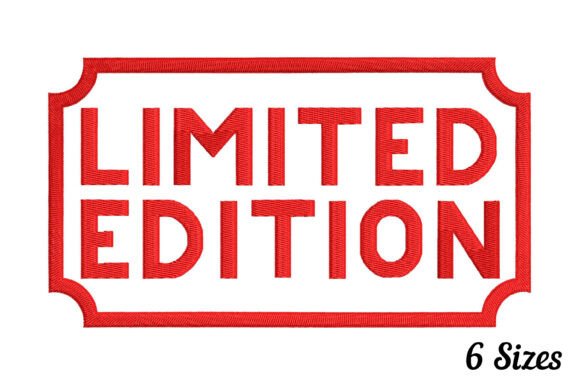
There are specific pitfalls to watch for with any "limited edition" style design. First, examine the lettering or fine details. If the design includes text, ensure the font size is large enough to remain legible when stitched. Tiny lettering often fills in and becomes unreadable, destroying the professional look. Second, consider the hoop size requirements. If the design is large, you may need to re-hoop for different products, which increases production time. Always confirm the maximum dimensions before committing to a specific product line like oversized pillow covers or market bags.
Another crucial factor is fabric contrast. A sleek design often relies on negative space. If you stitch a light-colored design onto dark fabric, you must ensure the underlay is sufficient to prevent the background color from showing through the stitches. Conversely, stitching dark threads on light fabric requires tight tension control to avoid gaps. For textured towels, the design might lose some clarity; in these cases, a slightly larger version or a denser fill might be necessary to maintain visibility.
Elevating Brand Value and Customer Engagement
Ultimately, the goal of using an Exclusive Limited Edition Embroidery design is to increase the perceived value of your small shop product. Customers at handmade markets are willing to pay a premium for items that feel special and scarce. By labeling certain items as featuring a "limited edition" design, you create a sense of urgency. It transforms a standard clothing item or home good into a collectible.
This approach also strengthens your brand consistency. If you use this design across various mediums—totes, patches, and tags—it creates a cohesive visual language that customers recognize. For the Etsy seller expanding into physical markets, this consistency is vital. The design should photograph exceptionally well for online listings, serving as a strong printable mockup element for your digital storefront even before the physical items are made. High-contrast, clean lines translate perfectly to social media images, driving traffic to both your booth and your online shop.
In conclusion, this digital embroidery file represents more than just a pattern; it is a strategic asset for the creative entrepreneur. Whether used for commercial embroidery runs or one-off custom orders, its sleek nature offers a modern alternative to traditional motifs. However, success lies in the details. Test your design assets thoroughly, respect the limitations of different fabrics, and always verify commercial licensing terms before selling the finished product. With the right execution, this design has the potential to be the standout star of your next market display, drawing in buyers who appreciate quality, exclusivity, and thoughtful design.